【專訪】2026 Fiesta Art 入選佳作 台灣當代藝術家 鄭守梅 Cheng, Shou-Mei
〈戀戀高雄驛〉穿梭鐵道時光的繪夢守望者:在城市記憶與文化懷舊之間,凝視時間的軌跡
【記者 吳慧蓮 張和坤 印度報導】 2026/01/04
「即將通過、尚未離去」的決定性瞬間,藝術家「定格」了那種在現代化與消失之間的「最後凝視」,入選作品〈戀戀高雄驛系列〉(Longing for Kaohsiung Station-Series) 複合媒材畫作,其視覺張力展現了強烈的劇場感,精準捕捉到「記憶」如何在集體心理結構中運作:當火車匆匆駛離站台,那不只是交通工具的離去,也並非懷舊本身,而是「延遲告別」的狀態,更是人類在快速都市化年代裡對穩定、根源與永恆的渴求,展現出超越個人情感、觸及集體靈性的昇華境界。
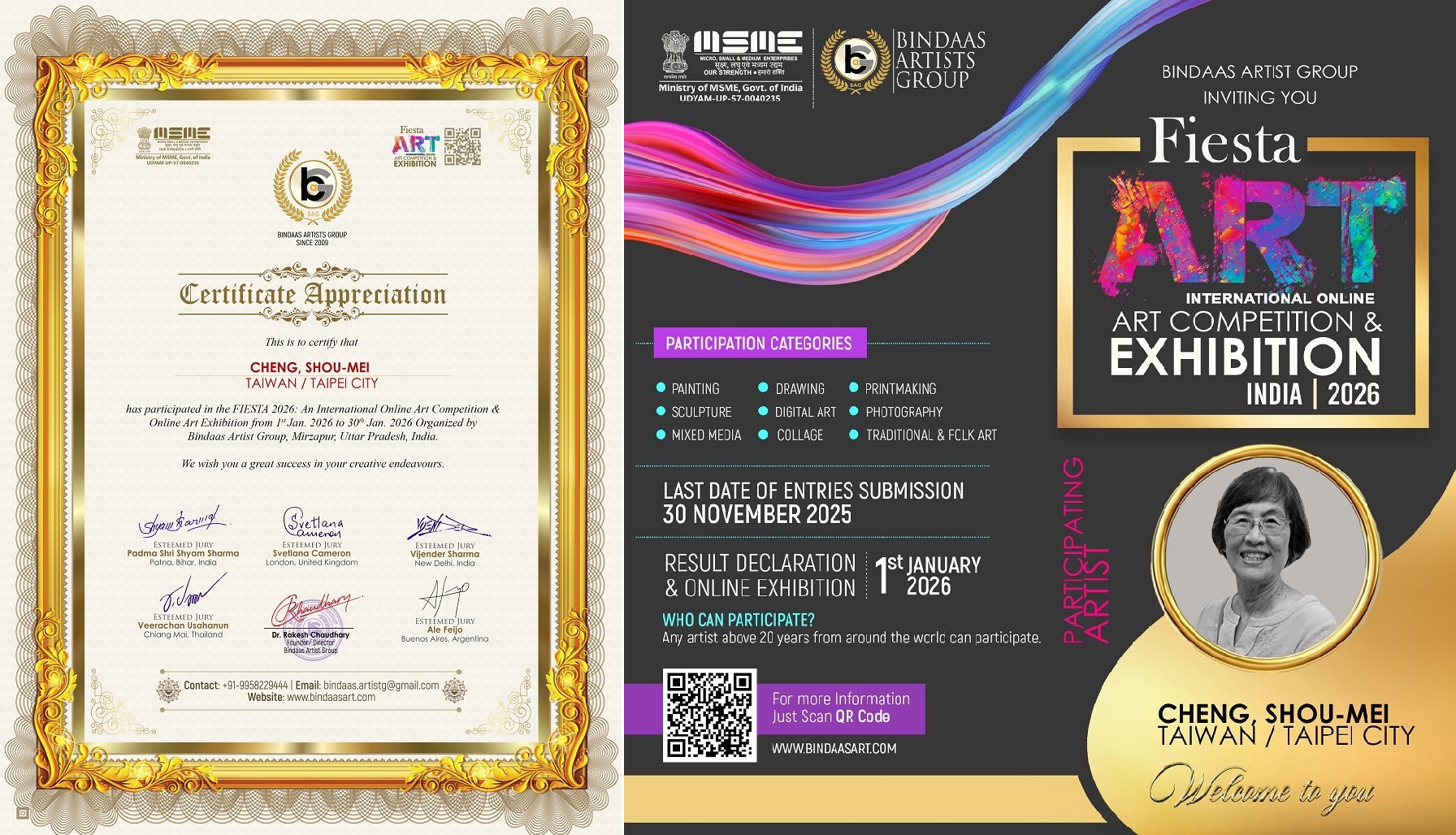
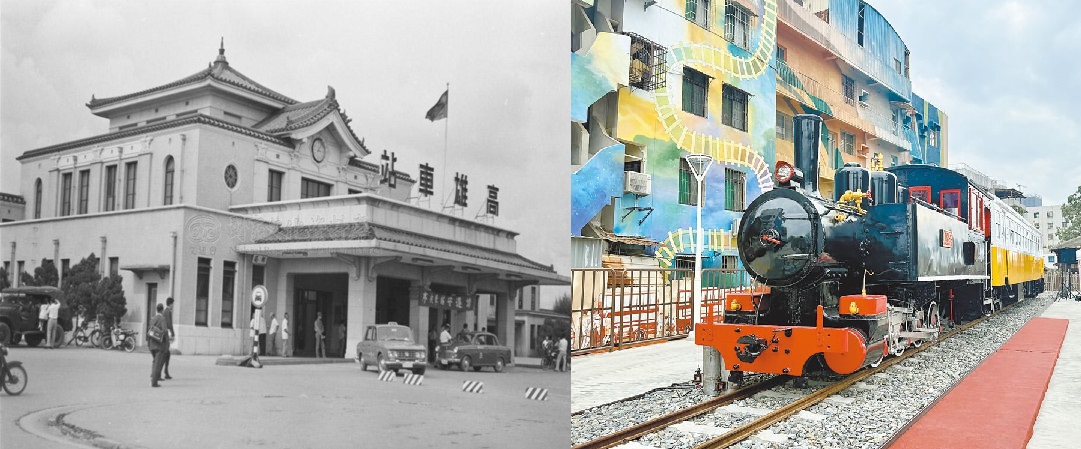
由印度知名策展團隊「賓達斯藝術集團」(Bindaas Artist Group)創辦人拉克什・庫馬爾・喬杜里博士(Dr. Rakesh Kumar Chaudhary)發起並主辦的「2026 國際慶典藝術大賽暨線上展覽」(2026 International Fiesta Art Competition & Online Exhibition),匯集來自多國藝術家的當代創作,台灣藝術家鄭守梅 (Cheng, Shou-Mei) 以歷史知名地標「高雄驛」(日治時期帝冠式建築的高雄火車站)作為切入點,將現代化過程中的陣痛轉化為簡潔且具標誌性的視覺隱喻符號,使作品在評選視角中自然成為本屆展覽精神的入選佳作,她展現了東方城市在殖民時代工業化獨有的「斷層美學」,使廢棄鐵道、蒸汽火車與建築成為活生生的文化化石。
〈戀戀高雄驛系列〉的創作背景,源自於 2002 年「高雄驛」進行的歷史性平移保存工程,這項罕見的大型人工搬遷曾引發國際關注,至今仍被視為都市保存的重要案例。藝術家並未以紀錄方式再現這段歷史,而是透過複合媒材的層次堆疊與東方禪意水墨留白空間,將建築、鐵道與記憶轉譯為一種詩性的視覺語言,構築了台灣的「工業記憶軸線」;「高雄車站」在畫面中不只是具體地標,而成為城市歷史的見證者,連結殖民經驗、工業發展與後工業轉型的集體記憶,展現一種內斂而持久的文化懷舊力量,這正是「戀戀」二字的真義。
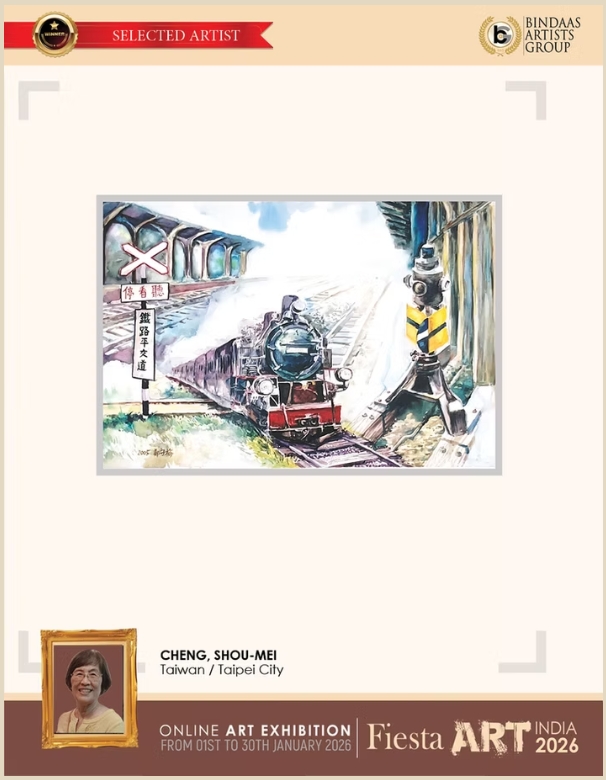
深度分析入選作品〈戀戀高雄驛系列 5〉(複合媒材, 53 x 78 cm)的視覺魅力在於「劇場感」的精準營造:在畫面中央以磅礴氣勢強烈的視覺呈現奔馳而出的蒸汽火車,伴隨周遭冷靜的號誌(黃黑條紋的平交道警示燈、X形「停看聽」紅字的鐵道警示牌、站體結構、煙霧瀰漫與逆光同時出現的多軌道與月台拱廊),如同靜止的時間錨點,抵抗著流動中的消失,形成動靜對比、創新與守舊、勇氣與矜持。火車並非被生硬地描繪,而是正在被時間帶走,以鄭守梅對光線的精湛掌握與色彩運用,這種處理「工業題材與大氣煙霧」的手法與英國藝術大師威廉·透納(J.M.W. Turner)及法國藝術大師克勞德·莫內(Claude Monet)在〈聖拉扎爾火車站〉(La Gare Saint-Lazare)中對動感的處理以及對光與人造霧霾的敏銳觀察,處理蒸汽與大氣消融感的手法有異曲同工之妙。
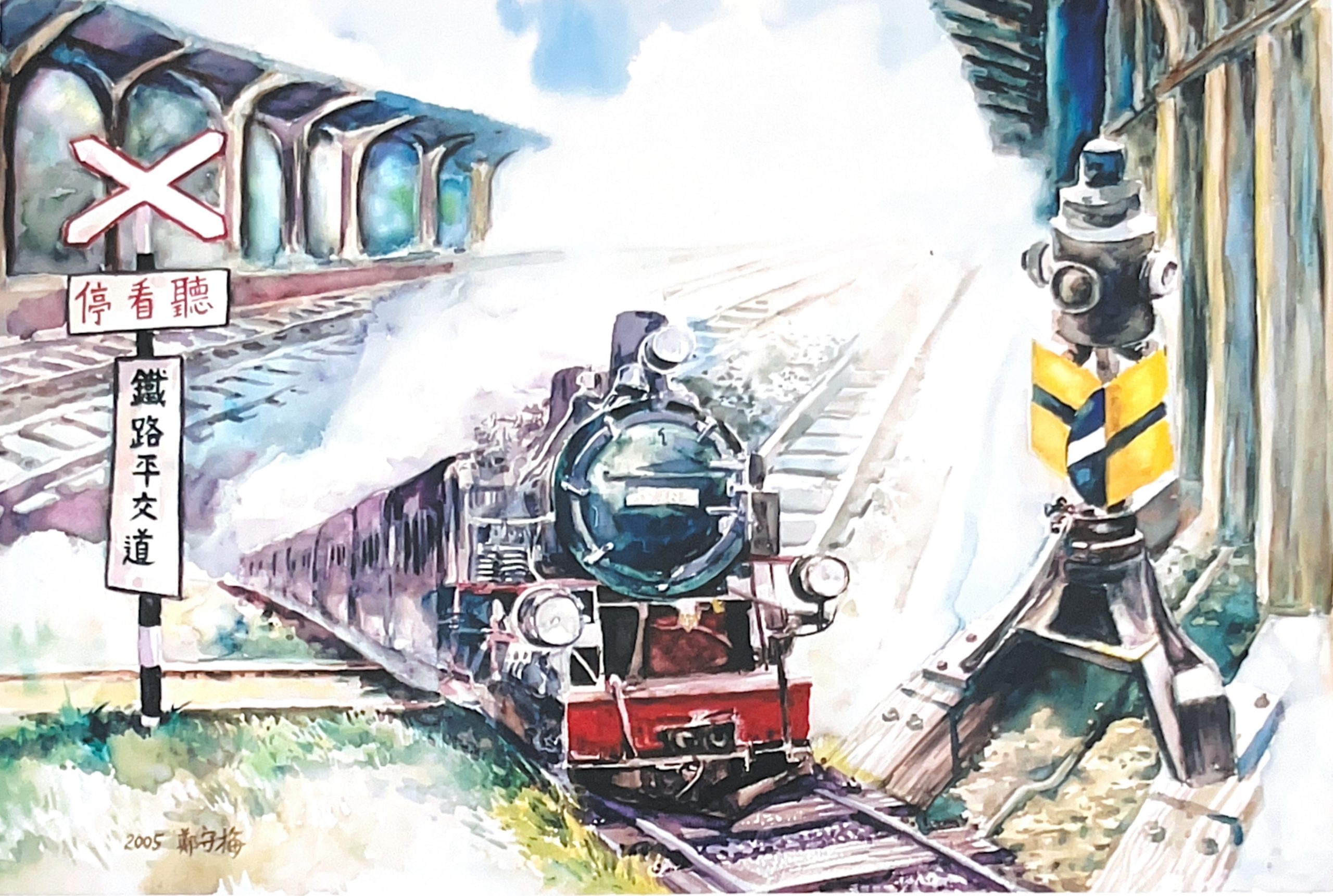
她運用斜向構圖,多條鐵軌對角線延伸至深處,也有如日本浮世繪藝術家葛飾北齋 (Katsushika Hokusai) 捕捉交通動態類似作品的軌道向量與警示的符號化。最令評審團驚嘆的是其空間邏輯:一種「既無消失點,又有消失點」的巧妙雙系統並存:藝術家注入寫實主義的「單點透視」(one-point perspectives)邏輯,為畫面提供了寫實的可信度與動能,強化速度與即時性;然而,在鐵軌匯聚的遠方,鄭老師利用混合媒材的渲染與白光,將物理意義上的消失點消解於煙霧之中,左側拱廊連續、右側警示柱比例與火車視角來自多重觀點,融入中國繪畫中所述「散點透視」(Scattered Perspective)的「移步換景」,作品空間不是被投射出來的,而是被藝術家「組合」出來的連續片段,使觀者能在畫布上捕捉日治沒落與時代更迭,表達了時光流逝與戀戀不捨的情感。
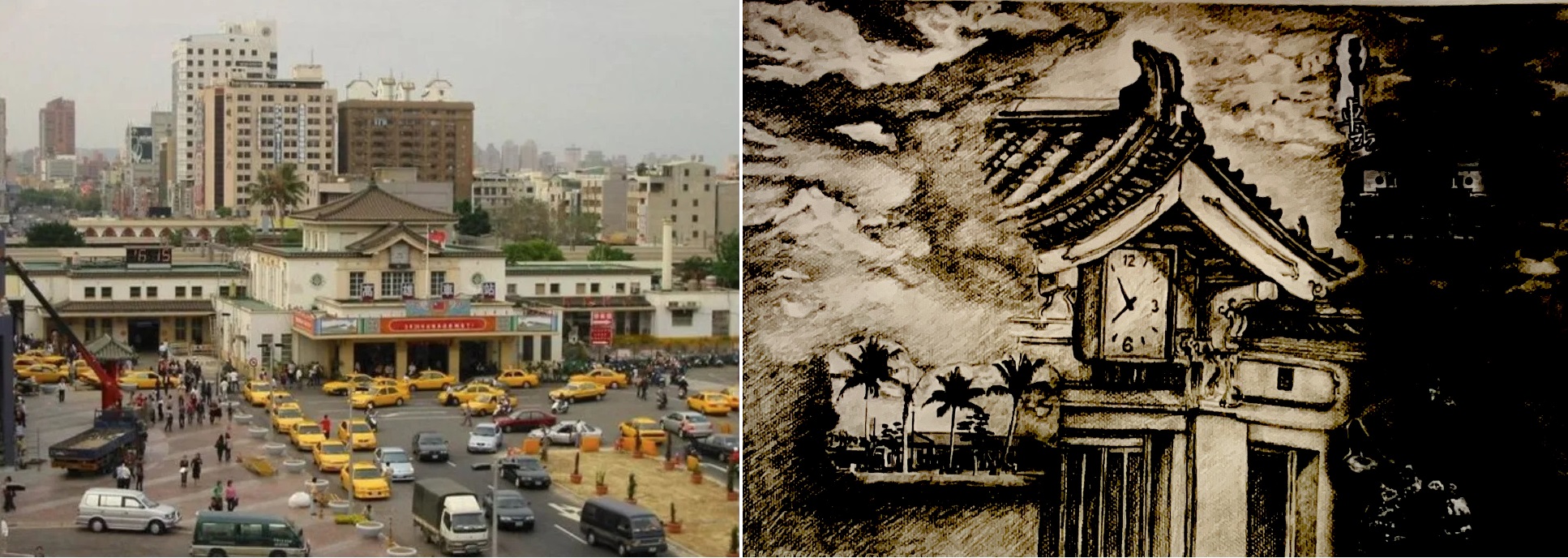
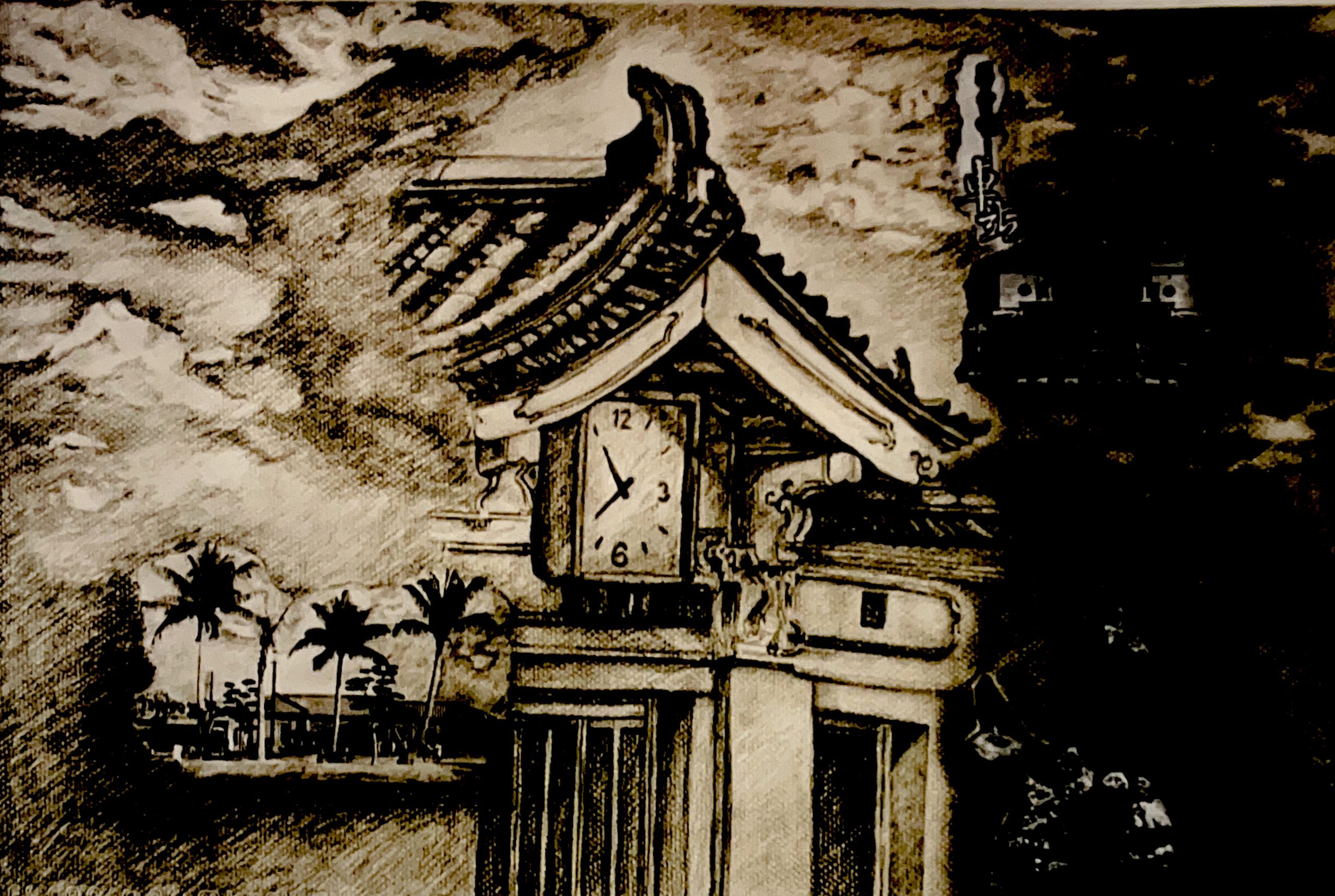
鄭守梅另一件作品〈戀戀高雄驛系列 2〉(複合媒材, 52 x 36 cm),亦展現了其創作的雙重敘事。一種經過時間沉澱冷靜的單色調,如同泛黃老舊黑白照片,〈系列 2〉中,「帝冠式建築」、古鐘、椰林與煙霧在靜謐的暮色中佇立,鐘面指向7點55分,成為觀者視線與精神投射的聚焦點,象徵不可逆的時間流逝,形成一種永恆的凝視,也隱喻個人記憶在都市更新浪潮中的脆弱與堅持;這與〈系列 5〉的鐵軌疾馳形成靜與動、個體凝視與群體前行的對話。使畫面在「停留」與「行進」之間產生張力,這正是現代城市經驗的縮影,讓高雄港都的工業美學推向了一種「機械神韻」的境地。這種對社會的關懷,對本土懷舊的描繪,對都市建築的守望;對應藝術史脈絡,其創作特質與李石樵等前輩畫家相接軌。鄭守梅並未將懷舊停留於感傷層次,而是透過視覺轉譯,將地方性的歷史記憶提升為具有普遍共鳴的文化敘事。
鄭守梅的藝術實踐顯示,當代混合媒材早已超越形式層面,成為一種承載文化記憶、回應時代焦慮的思想媒介。她的作品提醒我們:在快速變動的時代中,城市的靈魂往往存在於那些即將被遺忘的細節之中,而藝術,正是讓這些細節得以再次被看見的方式。鄭守梅三十多年來對藝術創作與文化遺跡的深度挖掘,參與全球後工業對話,展現了驚人的藝術韌性。在鐵軌的盡頭,煙雲散去,古鐘依舊靜默——鄭守梅用她的畫筆,為這個變遷快速的時代,留下了一段最寶貴的記憶。
【藝術家 鄭守梅 檔案】
學經歷:
2014 高雄郵局退休
1999~台灣女性現代藝術協會創始會員
1997 中美文化藝術交流協會會員
前高雄市立社教館美術教師
國際證照:
藝術學講師證書(2024)
美國國際「禪畫藝術師」專業證書(2024) (2024.3.25)
個展經歷:
個人畫展多次,2025臺灣當代美術巴黎特展
聯展經歷:
2026 印度「國際慶典藝術大賽暨線上展覽」
2024 群英繪-藝術創作展
2024 美國西南·德保羅大學藝術研所 台灣校友會花蓮展
2024 首爾亞細亞美術招待展
2023 美國徳保羅大學藝研所 台灣校友會台南府城展東門美術館
2023第46 回韓國文化美術大展
2006 苗栗縣美術協會會員8縣市巡迴展
2005台灣女性展-新竹社教館
2005 苗栗縣美術協會會員巡迴展
獲獎紀錄:
2026 印度「國際慶典藝術大賽暨線上展覽」入選佳作
2024 首爾國際美術祭(SIAF展)·世界平和祈願榮獲水墨畫組銅牌獎。
2000苗栗美展榮獲第三名。
1998年經濟部暨所屬機構員工綜藝展覽榮獲西畫組金牌。
1997年經濟部暨所屬員工綜意展覽榮獲西畫組銀牌。
1997年高雄市勞工「金輪獎」西畫組展榮獲第三名。
1996年高雄市勞工「金輪獎」才藝競賽決賽展榮獲佳作。
現職:鼓山福音會 長青牧場組長及資深導師&藝術教育
【 Feature Interview 】:
2026 Fiesta Art Selected Artist : Cheng, Shou-Mei (Taiwanese Contemporary Artist)
“Longing for Kaohsiung Station” — A Dreamweaving Guardian Traversing Railway Time, Gazing at Urban Memory and Cultural Nostalgia
By Wu, Hui-Lien (Anasha) / Zhang, He-Kun | India Report | January 4, 2026
Capturing the decisive moment of something “about to pass yet not fully gone,” the artist freezes a final gaze poised between modernization and disappearance. Cheng, Shou-Mei’s selected work, “Longing for Kaohsiung Station-Series” (mixed media), is charged with powerful visual tension and a strong sense of theatricality. The work precisely articulates how memory operates within collective psychological structures: when a train departs the platform, it is not merely a means of transportation leaving, nor nostalgia alone—it is a state of “deferred farewell”. More profoundly, it reflects humanity’s longing for stability, roots, and permanence amid rapid urbanization, elevating personal sentiment into a realm of collective spirituality and emotional sublimation.
The “2026 International Fiesta Art Competition & Online Exhibition,” initiated and organized by Dr. Rakesh Kumar Chaudhary, founder of the renowned Indian curatorial team “Bindaas Artist Group,” gathered contemporary creations from artists worldwide. Taiwanese artist Cheng, Shou-Mei takes the historic landmark “Kaohsiung Station” (the Japanese Imperial Crown-style railway station from the colonial era) as her entry point, transforming the pains of the modernization process into concise and emblematic visual metaphors. This approach allowed her work to naturally emerge as a Selected Distinction of the exhibition, embodying the event’s curatorial spirit. Cheng reveals a unique “aesthetics of rupture” inherent in Eastern cities shaped by colonial industrialization, where abandoned railways, steam locomotives, and architecture become living cultural fossils.
The creative background of the “Longing for Kaohsiung Station-Series” stems from the historic relocation and preservation project of “Kaohsiung Station” in 2002—a rare large-scale manual displacement that drew international attention and remains a key case in urban heritage conservation today. Rather than documenting this history literally, Cheng employs layered mixed media and the “blank space” (Liu-bai) characteristic of Zen-inspired Eastern ink to translate architecture, railways, and memory into a poetic visual language. This constructs an “axis of industrial memory” for Taiwan. In her frames, “Kaohsiung Station” is not merely a geographic landmark but a witness to the city’s history—linking colonial experience, industrial development, and post-industrial transformation. This reflects an introverted yet enduring power of cultural nostalgia, which is the true essence of “Longing” (戀戀).
A deeper analysis of the selected work, “Longing for Kaohsiung Station-Series No. 5” (Mixed Media, 53 x 78 cm), reveals its visual charm through the precise creation of “theatricality.” In the center of the frame, a steam train surges forward with grand momentum, accompanied by “quiet” signals: the yellow-and-black striped crossing lights, the X-shaped “Stop, Look, Listen” warning signs, station structures, mist, and backlighting on multiple tracks and platform arcades. These elements act as static “time anchors,” resisting disappearance within the flow of movement, creating a contrast between motion and stillness, innovation and tradition, courage and restraint. The train is not rendered as a static object; it is being carried away by time itself. Through her sophisticated handling of light and color, Cheng’s treatment of “industrial subject matter and atmospheric smoke” resonates with the work of British master J. M. W. Turner and French master Claude Monet, particularly Monet’s “La Gare Saint-Lazare”, in their sensitivity to movement, to artificial haze, and to the dissolving of form within steam and atmosphere.
Cheng employs diagonal composition, with multiple railway tracks extending diagonally into depth, recalling the vector-driven motion and symbolic warning signs seen in transportation scenes by Japanese ukiyo-e master Katsushika Hokusai. What astonished the jury most was her spatial logic: the ingenious coexistence of a dual system—”having a vanishing point, yet having none.” The artist injects the logic of “One-point Perspective” from Western Realism to provide the frame with credibility, momentum, and a sense of immediacy. Yet at the distant convergence of the tracks, Cheng dissolves the physical vanishing point into mist and white light through mixed-media diffusion. The repeating arcade on the left and the disproportionate warning posts on the right introduce multiple viewpoints, integrating the traditional Chinese painting concept of “scattered perspective” (san dian tou shi), or “moving viewpoints” (Step-by-Step Scenery). Space in her work is not projected but “assembled” through sequential fragments, allowing viewers to sense the decline of the Japanese colonial era and the passage of time—an emotional expression of impermanence and longing.
Another work, “Longing for Kaohsiung Station – Series 2” (mixed media, 52 × 36 cm), demonstrates Cheng’s dual narrative approach. Rendered in a restrained monochromatic palette reminiscent of yellowed black-and-white photographs, the Imperial Crown–style building, an old clock, palm trees, and drifting smoke stand quietly at dusk. The clock face, fixed at 7:55, becomes the focal point of both vision and contemplation, symbolizing irreversible time and forming an eternal gaze. It subtly alludes to the fragility and persistence of personal memory amid waves of urban renewal.In contrast to the hurtling tracks of Series No. 5, Series No. 2 embodies stillness and contemplation, creating a dialogue between individual gaze and collective movement. The tension between “pause” and “progress” mirrors the modern urban experience, elevating Kaohsiung’s industrial aesthetics into a realm of “mechanical spirit resonance.” This social concern, depiction of local nostalgia, and guardianship of urban architecture align her work with the lineage of Taiwanese masters such as Li Shih-Chiao. Cheng does not confine nostalgia to sentimentality; instead, she translates local historical memory into a cultural narrative of universal resonance.
Cheng, Shou-Mei’s artistic practice demonstrates that contemporary mixed media has long transcended formal experimentation to become an intellectual medium for carrying cultural memory and responding to the anxieties of our time.Her works remind us that in an age of relentless change, the soul of a city often resides in those details on the verge of being forgotten, and that art is precisely the means by which such details can be seen again. With more than three decades of sustained artistic inquiry into cultural heritage, Cheng participates in a global post-industrial dialogue with remarkable resilience. At the end of the railway, as the mist disperses and the old clock remains silent, Cheng, Shou-Mei leaves behind—through her brush—a most precious memory for an era defined by relentless transformation.
Profile:
Education:
2014: Retired from Kaohsiung Post Office
1999~ Founding member of the Taiwan Female Modern Arts Association
Member of Taiwan America Culture Artists Interchange Association
Previously served as an art educator at the Kaohsiung Municipal Social Education Center
International Certifications:
Certifcatae of Lecturer of Art of International Profession Management Organization of US 2024.07.31
Certificate of International Zen Painting Artist (2024) (2024.3.25)
Solo Exhibition Experience:
Exhibition of Taiwanese Contemporary Arts in Paris, France (2025)
Group Exhibition Experience:
2026 International Fiesta Art Competition & Online Exhibition, India
Elite Artists Joint Exhibition, Kaohsiung 855 New Art Center (2024)
The Exhibition of Taiwan Alumni Association of The Art Institute of American, in Hualien (2024) and Tainan (2023)
Asia Invitation Art Exhibition, Seoul, Korea (2024)
The Exhibition of Taiwan Alumni Association of The Art Institute of American/Southwestern Saint Paul University, in Tainan (2023)
The 46th Korea Cultural Art Exhibition (2023)
Miaoli County Art Association Touring Exhibitions (2006)
Taiwan Women’s Art Exhibition, Hsinchu Social Education Center (2005)
Miaoli County Art Association Touring Exhibitions (2005)
Awards:
2026 Selected Artist, International Fiesta Art Competition & Online Exhibition, India
Bronze Prize in Ink Painting at the 2024 Seoul International Art Festival (SIAF), Peace Prayer Section
Third Prize, Miaoli Art Exhibition (2000)
Gold and Silver Prizes in Employees of agencies under the Ministry of Economic Affairs, R.O.C. (1998, 1997)
Third Prize and Honorable Mention at Kaohsiung City Labor Affairs Bureau Golder Wheel Award (1997, 1996)
Current Role:
Senior mentor and art educator at Evergreen Group, Ku San Gospel Mission Church